
An organizer asks for a talk on Feng Shui. The topic is broad enough to fill a day, and the event allows thirty minutes. The first task is to decide what the audience should leave understanding.
A room of property buyers has different questions from a team planning its working year. Tell the speaker who will be there and why they have come.
Choose one useful question
For buyers, the talk might focus on what to notice before selecting a property. For a general audience, it could explain the difference between BaZi, a property assessment, and date selection.
State the question in ordinary words. It gives the speaker a way to select examples and keep the session focused.
Describe the setting
Share the audience size, event format, location or online platform, speaking time, and question period. Clarify the language expected and any material the audience will receive.
If recording, broadcasting, or reusing the session is planned, include that in the request so the proposal covers it.
Make room for questions people can ask safely
A public question period works well for general ideas and examples. Personal birth details, full addresses, and sensitive concerns are better handled through an appropriate private channel.
Tell the host how questions will be collected and how much time is available. A clear handoff keeps the final part of the session useful.
Give the talk a useful ending
Ask for one idea the audience can apply to a real decision, such as checking the property’s surroundings during a viewing or verifying the inputs on a birth chart.
The measure of a good session is what people can explain or do afterward. A clear audience question helps the speaker build toward that outcome.
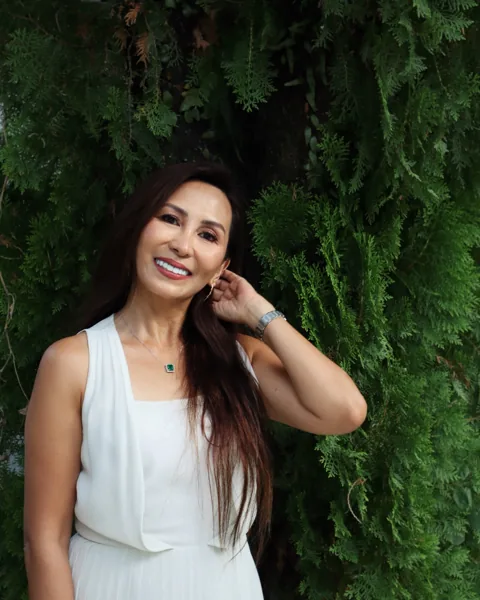
Master JudithBaZi and classical Feng Shui consultant, author, and speaker. In professional practice since 2010. About the practice